

‘The best-preserved historic town in the Highlands’
Consistently voted as one of the most desirable places to live and top destinations to visit in Scotland, many that arrive in this small seaport at the tip of the Black isle peninsula find themselves reluctant to leave.
Not only will you find a friendly, vibrant community but stunning scenery, woodland walks, sandy beaches, spectacular architecture, history & museums, resident Bottlenose Dolphin colony, award-winning, independent eateries, shops and galleries, cinema, tennis court & bike hire, regular public transport links…the list goes on!


The story of Cromarty is written in its architecture – in its huddled fishermen’s cottages and grand merchants’ houses. With an astonishing 209 listed buildings in the town, ten of them A-listed, a short walk around this compact little community offers a range of architectural delights from a lighthouse built by the uncle of Robert Louis Stevenson, to a medieval parish church and the thatched cottage birthplace of 19th century geologist Hugh Miller.
Cromarty was a Royal Burgh in the 13th century, trading in the products of the sea and the surrounding countryside. Fishing became increasingly important, and by the 17th century Cromarty had become a major centre for the export of salt fish. In the 18th and early 19th centuries, Cromarty was a major port, rivaling Inverness, importing hemp from the Baltic to be woven in a factory by the shore as well as exporting the produce of the farms on the fertile Black Isle. Population peaked in the 1830s at over 2,000.


This prosperity did not last. By-passed by the railway, with the great shoals of herring a distant memory, Cromarty fell into a decline. There was virtually no new building in the Victorian era, and by 1971 the population had dropped below 500. Then came North Sea oil, plus improved transport links with Inverness, and artists, craftspeople and website designers as well as oil rig builders moved in to renovate the derelict cottages and crumbling mansions.
Take part in one of Cromarty Arts Trust many visual art and applied craft courses or book your stay to coincide with a live music gig or concert. Check out our diary here.
Gallery 48 and Sonas Gallery: visit for distinctive and original local and Scottish art.
Cromarty Pottery, a 300-year-old building which has been a pottery by two generations for nearly 60 years.
Cromarty Cinema: visit this modern, purpose built cinema offering a range of blockbusters and art house films.


Nature and the Environment
Cromarty’s breathtaking landscapes offer endless opportunities to connect with nature. From the Old Brewery, you can explore the surrounding coastline, woodlands and wildlife, all while enjoying a comfortable stay in our accommodation at the Old Brewery or Ardyne. Plan your nature adventure:
Book a fascinating Fossil Walk with a National Trust for Scotland geologist from the Hugh Miller Museum.
Ecoventures: Join thrilling wildlife-watching boat tours and witness dolphins, seals, and seabirds in their natural habitat.
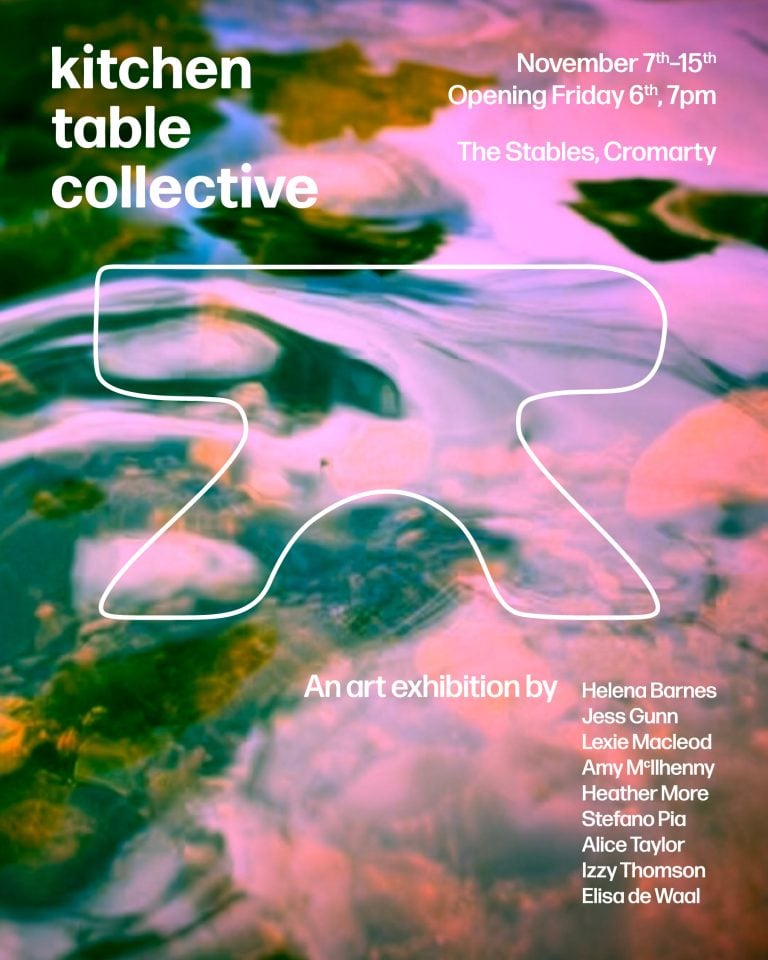
Take a slow walking tour around Cromarty with an architectural historian. There are many perfectly preserved historic buildings including Cromarty House, a Stevenson lighthouse, the Old Manse, the Stables, an Andrew Carnegie endowed library, large merchant houses and tiny, ancient fisher families’ cottages.
The Hugh Miller Birthplace Museum: Visit the birthplace of geologist and writer Hugh Miller, and delve into his life and legacy.
Cromarty Courthouse Museum: Experience the history of Cromarty through engaging exhibitions and an audio tour that brings local stories to life.
Cromarty Harbour: Visit the restored and busy harbour with links and take part in the popular local sport of coastal rowing.

Further Afield
Cromarty nestles on the very tip of the Black Isle peninsula making it an ideal place to explore this fascinating area. During the summer months, Highland Ferries operate the last surviving ferry to cross an East Coast firth. Once common up the whole of the east coast of Scotland, these ferries have all be replaced by bridges but this little red ferry keeps going taking visitors across to the water to continue their journey further north.
Other nearby attractions include:
- Poyntzfield Herbs – an organic specialist plant nursery.
- Kirkmichael – restored church with a large display of medieval ornamental crosses.
- Fortrose cathedral – Enjoy the tranquillity at the seat of the bishops of Ross – a beautiful red sandstone cathedral in a quiet square
- Groam House Museum – dedicated to Pictish artifacts and the start of the Pictish Stone Trail.
- Fortrose Golf Course.